The Annual Roof Maintenance Checklist for British Homes
A roof rarely fails without warning. The slipped slate, the hairline crack in the mortar beside the chimney, the gutter that sits a little lower each winter — these things announce themselves months before a damp patch appears on the landing ceiling. British weather is particularly good at finding weaknesses: driving rain on a south-west elevation, freeze-thaw cycles that open joints, moss that keeps a covering permanently damp, and summer sun that bakes the life out of sealant. The trick is to look on a schedule rather than letting a leak make the decision for you. What follows is a working calendar for British roofs: what to check, when it matters most, and what is genuinely a job for someone else.
January and February: watch from the ground
This is not the season for ladders. Frost, wet timber and short daylight make an inspection risky, and mortar will not cure properly in the cold anyway. Winter is for observing, not repairing.
After any named storm, walk the perimeter and look down before you look up. Slates, tile fragments or crumbs of mortar on the lawn, path or drive tell you something has moved. From the far end of the garden, binoculars will show the ridge line, chimney and verges well enough to spot a gap where a tile used to be. Pay particular attention to the side of the house that faces the prevailing weather, usually the south-west, because that is where rain is driven into flashings and mortar joints.
Inside, choose a dull, dry day and look round the loft. Dark tide marks on rafters, staining under the covering or a musty smell all deserve a note. Remember that a loft can be damp in winter through condensation rather than a leak: warm, moist air from the house meeting a cold surface. Wet patches that appear on cold mornings and vanish later usually point to ventilation and insulation rather than a hole. If you can see daylight through the roof covering, however, that is a defect, not condensation, and it needs attention as soon as the weather allows.
March and April: the main inspection of the year
Once the hardest frosts have passed, mortar will cure and sealants will set, so repairs made now stand a decent chance of lasting. If you are having the roof looked at professionally, this is the best time to book it. Work through four areas in order.
- Gutters and downpipes. Clear out leaves, grit and the moss that has washed down over winter. Check that the gutter still falls towards the outlet, that joints line up, and that brackets are holding. A gutter that has pulled away from the fascia will spill water down the wall, where it will find the weakest point in the masonry. A blocked downpipe can make every joint in the run overflow, so check the outlet and the drain connection as well.
- Flashings. Look at the lead or mortar where the roof meets the chimney, dormers, soil pipes and adjoining walls. Lifted lead, cracked mortar fillets and failed flaunching — the mortar capping around a chimney pot — are common winter casualties. If a flashing has lifted by only a few millimetres, wind-driven rain can still be pushed underneath it.
- Ridge and hip tiles. Cracked or missing pointing along a ridge lets water into the top of the roof, where it can travel a long way before it shows. Check the verge, the edge where the covering meets the gable, on the most exposed side of the house. A ridge that looks straight from the pavement may still have crumbling mortar between the tiles.
- The covering itself. Slipped slates, cracked tiles and perished mortar around them. On older roofs a slipped slate often means the nails have corroded, so treat a cluster of them as more than bad luck. On modern concrete tiles, look for delaminated surfaces and missing clips at the edges.
May to July: moss, and the dry-weather jobs
Moss is more than cosmetic
It holds water against the covering, its roots work into joints, and in a dry spell it shrinks and curls, taking granules and mortar with it. Scrape it off with a plastic scraper or a stiff brush rather than blasting it with a pressure washer, which can strip the surface from concrete tiles and force water into places it should not go. If you use a chemical treatment, follow the instructions exactly, keep it well away from plants and drains, and do not apply it when rain is forecast.
The dry-weather jobs
Warm, settled weeks are also the right time for the small work: replacing individual broken tiles, re-bedding a loose ridge tile, painting fascia and soffit boards, and clearing the gullies where downpipes discharge so that summer downpours have somewhere to go. If you have a flat roof section over a bay or extension, check the felt or membrane for blisters and open seams now, while it is dry enough to repair properly.
September and October: the pre-winter run-through
Everything you do now is done to avoid a call in December, when every roofer within twenty miles is busy and the rain is coming in sideways.
- Clear gutters again once the first leaves have fallen, and once more in late November if trees sit close to the house.
- Check flashings, ridge pointing and chimney mortar while the weather is still mild enough for small repairs.
- Look at the roof from the ground after the first autumn gales, noting any new slipped tiles or fresh mortar crumbs on the ground.
- Make sure loft insulation is not pushed into the eaves in a way that blocks ventilation; good airflow helps prevent winter condensation.
- Confirm who you would call in an emergency, and keep a tarpaulin and torch where you can find them without climbing into a dark loft.
November and December: storm readiness
By late autumn, the aim shifts from maintenance to damage limitation. Cut back overhanging branches before they are loaded with wind and rain, and check that loose garden furniture, bins or trampolines cannot be thrown against the house. After a storm, repeat the ground-level inspection: look down first, then up with binoculars. If a leak appears, contain it with a bucket, move furniture and electrical items clear, and photograph the damage for insurance. Do not go up on the roof in wet, icy or windy conditions for a temporary repair. A cracked tile can wait; a fall cannot.
If you remember one rule, make it this: from the ground, note it; from the loft, investigate it; on the roof, leave it to someone insured to be there.
When to call a professional
Some jobs are straightforward for a careful householder with the right access and a settled forecast. Others are not. Call a professional if water is actually coming in, if the roof line looks sagged or wavy, if ridge or hip tiles are missing in numbers, if the chimney stack is leaning or its mortar is crumbling, or if you cannot see the defect safely from a ladder or window. Working at height is the main risk, but so is making a small problem worse by walking on brittle tiles or disturbing old lead.
Use a roofer who can provide insurance details, a written quote and a clear description of what will be done. For listed buildings or homes in a conservation area, check whether permission is needed before changing materials or the appearance of the roof. And be wary of anyone who knocks on the door after a storm offering to seal a leak for cash: reputable firms rarely need to recruit work that way.
Keep a simple record
A notebook or a folder of photographs on your phone is enough. Record the date of each inspection, what you saw, what was repaired and by whom. Note the materials used for any replacement slates or tiles, because matching them later is easier if you know what is already there. This record is useful when you sell the house, when an insurer asks about maintenance, and when you are trying to remember whether that hairline crack by the chimney was there last spring or is new this year.
The point of an annual checklist is not to turn every homeowner into a roofer. It is to notice the small changes while they are still small, to book the right trade at the right time of year, and to keep the weather on the outside of the house where it belongs.
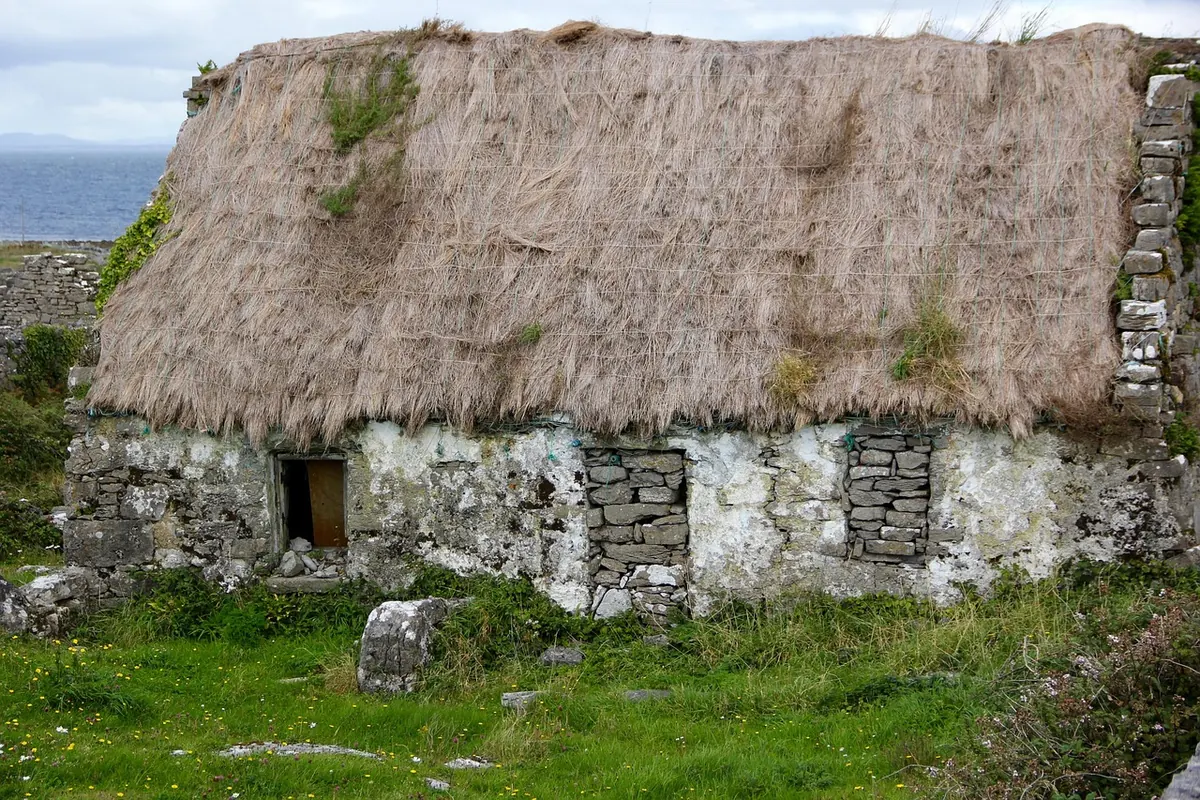
Photo: Jim McLain / Pexels